
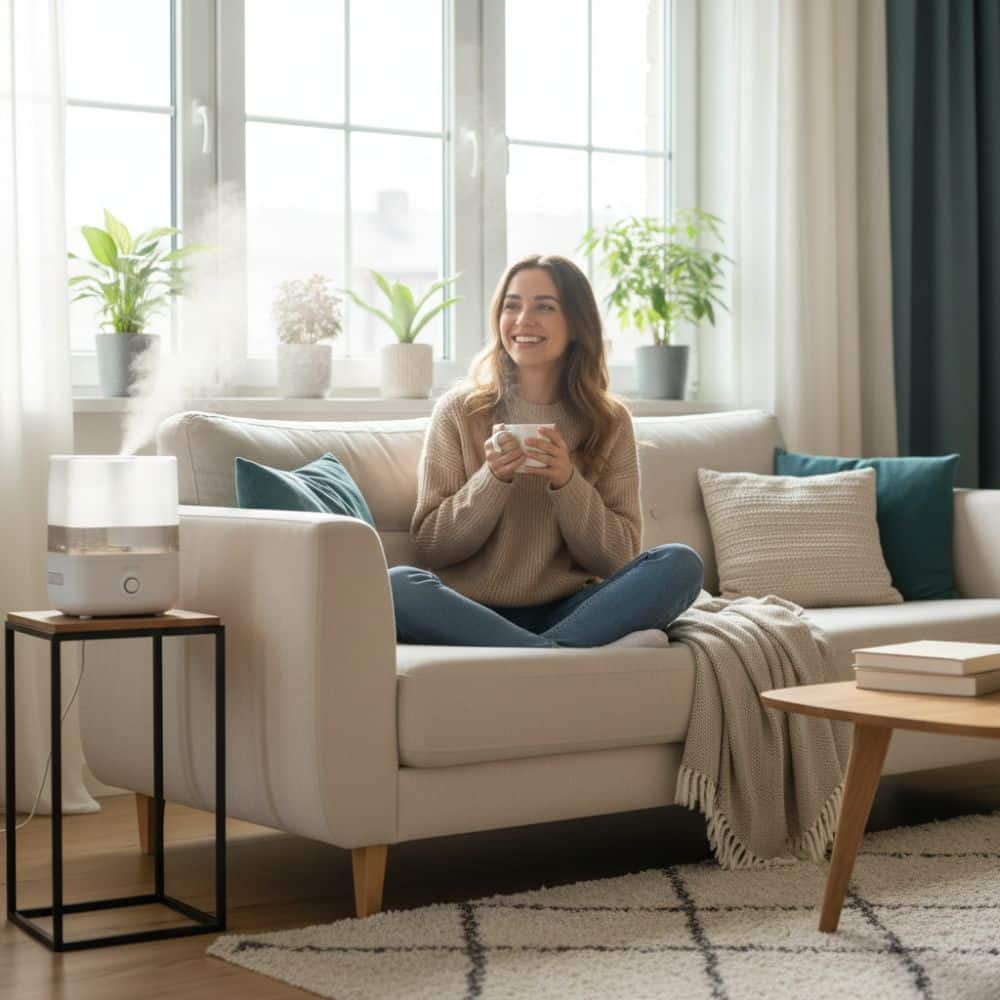
Most homeowners spend a significant amount of time improving their home’s appearance, comfort, and energy efficiency, but one important factor is often overlooked: indoor air quality. The air inside your home can contain dust, allergens, pet dander, mold spores, volatile organic compounds (VOCs), and other pollutants that may affect your health and comfort.
Poor indoor air quality can contribute to allergies, asthma symptoms, headaches, fatigue, and respiratory issues. Fortunately, there are several practical steps homeowners can take to create a cleaner and healthier indoor environment.
Change Your HVAC Air Filters Regularly
One of the easiest and most effective ways to improve indoor air quality is by changing your HVAC air filter regularly.
Your heating and cooling system continuously circulates air throughout your home. The air filter helps capture airborne particles such as dust, pollen, pet dander, and debris before they spread through your living spaces.
Most homeowners should replace standard filters every one to three months. Homes with pets, allergies, or higher levels of dust may benefit from more frequent replacements. Using a high-quality filter with an appropriate MERV rating can further improve filtration without restricting airflow.
Schedule Routine HVAC Maintenance
Your HVAC system plays a major role in maintaining indoor air quality. Dirty coils, clogged components, and poorly functioning equipment can contribute to airborne contaminants and reduced airflow.
Annual HVAC inspections help ensure that your system is operating efficiently and effectively. Professional maintenance can identify issues before they become larger problems while helping maintain cleaner air throughout your home.
Control Indoor Humidity Levels
Humidity has a significant impact on indoor air quality.
Excess moisture can encourage mold growth, dust mites, and other allergens. On the other hand, air that is too dry can irritate your skin, eyes, and respiratory system.
Experts generally recommend maintaining indoor humidity levels between 30% and 50%.
To achieve this balance, homeowners may use:
- Whole-home humidifiers
- Portable humidifiers
- Dehumidifiers
- Proper bathroom and kitchen ventilation
Monitoring humidity with a simple hygrometer can help you maintain a healthy indoor environment year-round.
Improve Ventilation
Modern homes are often built to be highly energy efficient, which can sometimes limit natural airflow.
Opening windows when weather permits can help exchange stale indoor air with fresh outdoor air. Exhaust fans in bathrooms and kitchens also play an important role by removing moisture, odors, and airborne contaminants.
For homeowners seeking additional improvements, whole-home ventilation systems can provide consistent fresh air while maintaining energy efficiency.
Keep Your Home Clean
Dust, pet dander, and allergens accumulate quickly, especially in busy households.
Regular cleaning can significantly improve indoor air quality. Focus on:
- Vacuuming carpets and rugs frequently
- Dusting surfaces with microfiber cloths
- Washing bedding regularly
- Cleaning upholstery and curtains
- Keeping pet areas clean
Using a vacuum equipped with a HEPA filter can help capture smaller particles that standard vacuums may recirculate into the air.
Consider an Air Purifier
Air purifiers can provide an additional layer of protection, especially for homeowners with allergies, asthma, or pets.
Many air purifiers use HEPA filtration technology to remove airborne particles such as:
- Dust
- Pollen
- Pet dander
- Mold spores
- Smoke particles
Portable units work well in bedrooms and living areas, while whole-home air purification systems can be integrated directly into your HVAC system.
Reduce Indoor Pollutants
Many common household products release chemicals that can affect air quality.
Volatile Organic Compounds (VOCs) are often found in:
- Paints
- Cleaning products
- Air fresheners
- Adhesives
- Furniture finishes
Whenever possible, choose low-VOC or VOC-free products. Proper ventilation during painting, remodeling, or cleaning projects can also help reduce exposure to airborne chemicals.
Don’t Ignore Mold Problems
Mold can significantly impact indoor air quality and may contribute to respiratory issues.
Common causes of mold include:
- Roof leaks
- Plumbing leaks
- Basement moisture
- Poor ventilation
Addressing water problems promptly is essential. If mold growth is extensive, professional remediation may be necessary to fully resolve the issue.
Create a Smoke-Free Environment
Tobacco smoke is one of the most harmful indoor air pollutants. Even occasional smoking indoors can leave behind particles and residue that affect air quality for extended periods.
Maintaining a smoke-free home is one of the best ways to protect your family and improve overall indoor air quality.
Finding An Indoor Air Quality Provider
Finding the right indoor air quality provider is essential for creating a healthier, more comfortable home. A qualified HVAC company should offer comprehensive air quality solutions such as air filtration systems, humidifiers, dehumidifiers, UV lights, duct cleaning, and indoor air quality testing while taking the time to evaluate your home’s specific needs. Look for a provider with experienced technicians, strong customer reviews, transparent pricing, and a commitment to long-term comfort rather than quick fixes.
For homeowners in Michigan, It’s Your Heating and Cooling Guy offers a wide range of indoor air quality services designed to reduce allergens, improve air circulation, and help families breathe cleaner, healthier air year-round. Their team provides customized solutions to address common indoor air quality concerns and improve overall HVAC system performance.
Final Thoughts
Improving indoor air quality doesn’t require a complete home renovation. Small changes such as replacing HVAC filters, maintaining proper humidity levels, improving ventilation, and keeping your home clean can make a noticeable difference.
Cleaner indoor air can contribute to better health, increased comfort, and a more enjoyable living environment for everyone in your household. By taking a proactive approach to air quality, homeowners can create a safer and healthier home for years to come.