
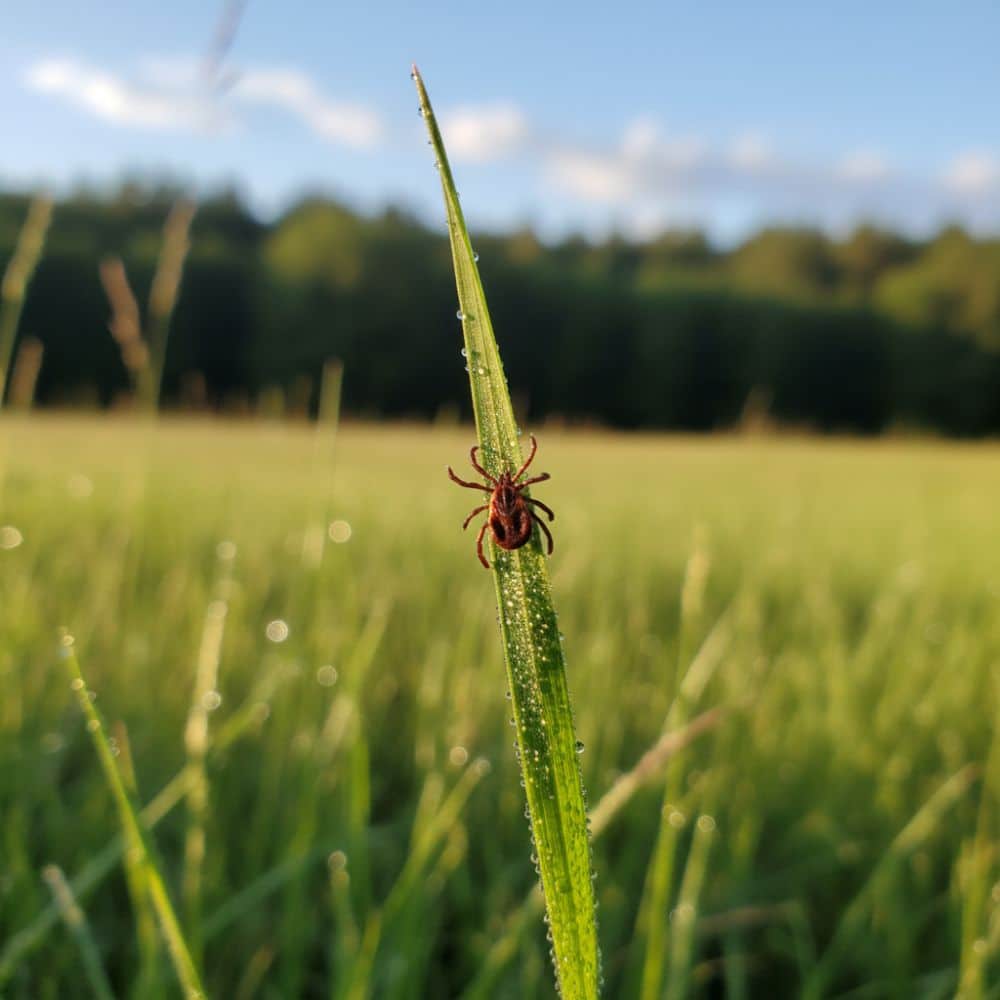
Ticks are becoming an increasing concern for homeowners across the United States. These tiny parasites can carry diseases such as Lyme disease, Rocky Mountain spotted fever, and Alpha-gal syndrome, making tick prevention an important part of maintaining a safe and healthy property. While ticks are commonly associated with wooded areas and hiking trails, they can easily find their way into residential yards, especially those with tall grass, brush, or abundant wildlife.
The good news is that homeowners can take several proactive steps to reduce tick populations and minimize the risk of tick bites. Here are some of the most effective tick prevention tips to help protect your family, pets, and property.
Understand Where Ticks Live
Ticks thrive in humid, shaded environments where they can easily attach themselves to passing hosts. Common tick habitats include:
- Tall grass
- Overgrown landscaping
- Leaf litter
- Wooded property edges
- Brush piles
- Ground cover plants
- Areas frequented by deer, rodents, and other wildlife
Unlike mosquitoes, ticks do not fly or jump. Instead, they climb onto vegetation and wait with their front legs extended in a behavior known as “questing.” When a person or animal brushes against the vegetation, the tick grabs on and begins looking for a place to feed.
Keep Your Lawn Properly Maintained
One of the most effective ways to discourage ticks is by maintaining your yard.
Regular lawn care helps eliminate the environments ticks prefer. Homeowners should:
- Mow grass regularly
- Trim weeds and overgrown vegetation
- Remove leaf litter
- Prune shrubs to improve airflow and sunlight
- Keep landscaping neat and well-maintained
Ticks are far less likely to survive in dry, sunny areas than in cool, shaded environments. A clean and open yard creates less favorable conditions for tick populations.
Create a Tick-Safe Barrier
If your property borders wooded areas, consider creating a buffer zone between your lawn and the woods.
A three-foot-wide barrier of wood chips, gravel, or mulch can help reduce the movement of ticks into recreational areas of your yard. This simple landscaping technique can significantly decrease the number of ticks migrating from nearby wooded habitats.
Many homeowners also place swing sets, play areas, and patios away from property edges where tick activity tends to be highest.
Reduce Wildlife Activity
Many tick species rely on wildlife hosts to survive and reproduce. Deer, mice, squirrels, raccoons, and other animals often transport ticks onto residential properties.
To make your yard less attractive to wildlife:
- Secure garbage containers
- Remove brush piles
- Store firewood neatly and away from the home
- Eliminate food sources
- Repair gaps in fencing
- Consider deer-resistant landscaping
Reducing wildlife traffic can help reduce the number of ticks introduced to your property.
Protect Your Pets
Dogs and outdoor cats frequently pick up ticks while spending time outside. Once attached, ticks can be carried indoors where they may later attach to humans.
Pet owners should:
- Use veterinarian-approved tick prevention products
- Check pets regularly for ticks
- Keep pets out of heavily wooded areas when possible
- Groom pets frequently during tick season
- Wash pet bedding regularly
Protecting pets not only keeps them healthy but also reduces the likelihood of ticks entering your home.
Wear Appropriate Clothing Outdoors
When working in the yard, gardening, or spending time outdoors, your clothing can provide an important layer of protection.
Consider wearing:
- Long pants
- Long sleeves
- Closed-toe shoes
- Light-colored clothing to spot ticks more easily
Tucking pants into socks may not be fashionable, but it can help prevent ticks from reaching your skin.
Many outdoor enthusiasts also use clothing treated with permethrin, an insecticide specifically designed to repel and kill ticks.
Use Tick Repellents
EPA-registered insect repellents can provide additional protection during outdoor activities.
Products containing ingredients such as:
- DEET
- Picaridin
- IR3535
- Oil of lemon eucalyptus
can help reduce the likelihood of tick bites when used according to label instructions.
For clothing and gear, permethrin-based treatments offer long-lasting protection and remain effective through multiple washes.
Perform Tick Checks After Outdoor Activities
One of the best defenses against tick-borne illness is finding ticks before they become attached for extended periods.
After spending time outdoors:
- Check your entire body
- Inspect behind the knees
- Check under arms
- Look around the waistline
- Inspect the scalp and hairline
- Examine children carefully
- Check pets thoroughly
Prompt removal reduces the risk of disease transmission since many tick-borne pathogens require several hours of attachment before transmission occurs.
Keep Ticks Out of Your Home
Even if you spend only a short time outdoors, it’s possible to bring ticks inside.
To reduce this risk:
- Remove outdoor clothing immediately
- Place clothing in a hot dryer for 10-15 minutes
- Shower soon after outdoor activities
- Vacuum regularly
- Inspect pets before they enter the house
These simple habits can significantly reduce indoor tick encounters.
Consider Professional Tick Control
In areas with heavy tick populations, professional pest control treatments may provide an additional layer of protection.
Professional tick management programs often target:
- Property borders
- Wooded edges
- Dense vegetation
- High-risk areas where ticks commonly gather
Many homeowners combine professional treatments with proper landscaping and personal protection measures for the best results.
Finding A Professional Tick Control Company
Protecting your family, pets, and property from ticks starts with choosing a professional tick control company that understands how to target tick habitats and provide long-lasting protection. A qualified provider should offer thorough property inspections, customized treatment plans, and ongoing prevention strategies to reduce tick populations in high-risk areas such as wooded edges, tall grass, brush, and shaded landscapes. Professional treatments can significantly reduce tick activity when combined with proper property maintenance and prevention measures. According to the CDC, targeted yard treatments can help reduce tick populations, while professional pest control companies can identify and treat areas where ticks are most likely to thrive. For homeowners looking for reliable tick and mosquito control services, Tick Terminators offers professional treatments designed to help create a safer, more enjoyable outdoor environment throughout the season.
Final Thoughts
Ticks may be small, but the health risks they pose can be significant. Fortunately, homeowners can greatly reduce their exposure through proper lawn maintenance, smart landscaping, wildlife management, and personal protection strategies.
The most effective tick prevention plans use multiple approaches. Keeping your yard clean, protecting pets, performing regular tick checks, and using repellents when necessary can dramatically lower the chances of encountering ticks on your property.
By taking proactive steps today, you can help create a safer outdoor environment for your family, pets, and guests throughout the year.