
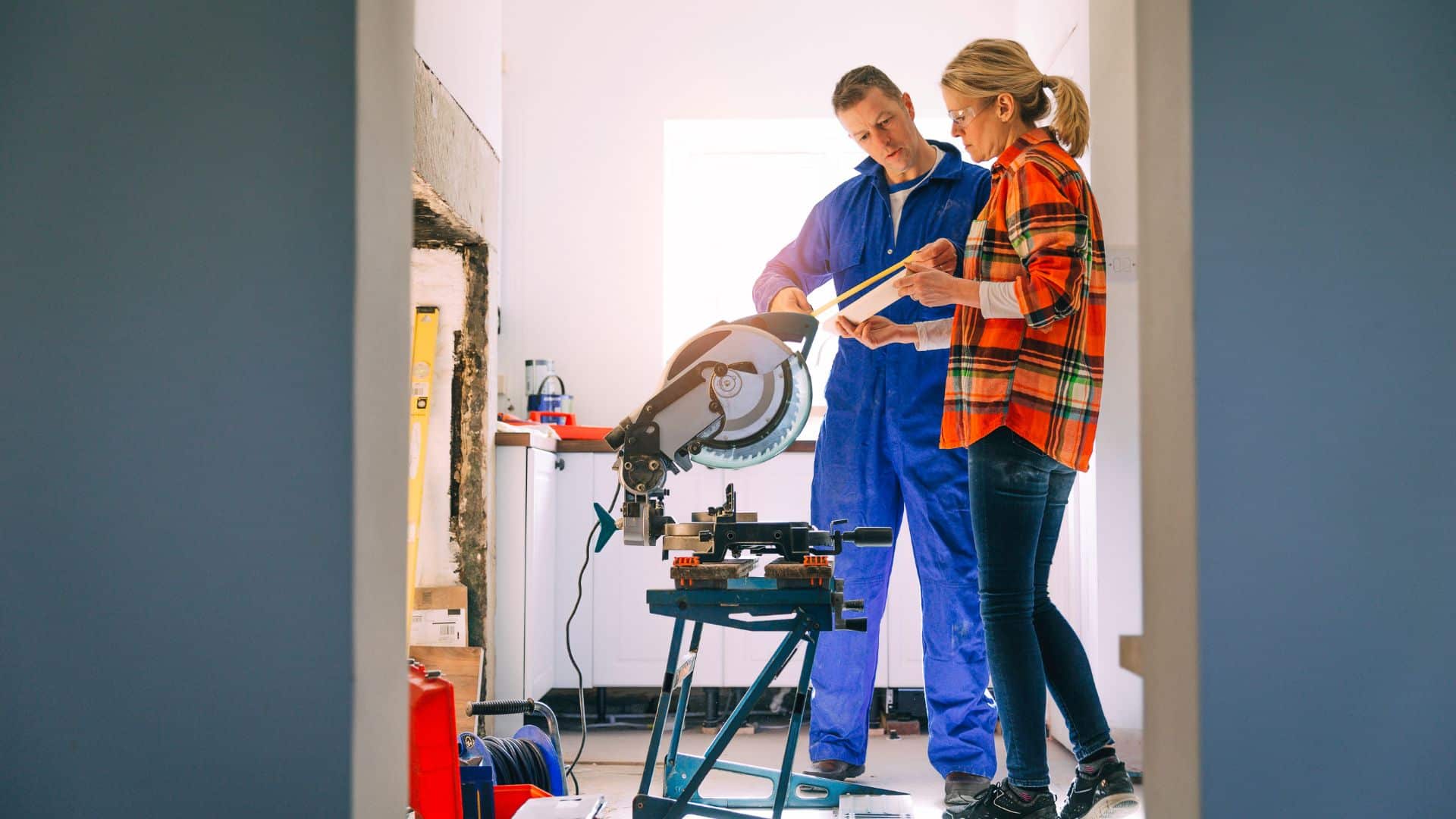
Do it yourself when a project is low risk, fits your skills, and doesn’t need a permit or a licensed trade. Hire a pro when safety, building codes, or the cost of a mistake are on the line. That’s the short version. The longer version is a simple set of questions you can run through before you pick up a tool or call a contractor, so you save money where it makes sense and avoid costly mistakes where it doesn’t.
Why This Decision Matters
Taking on projects yourself can save money, and it can be genuinely satisfying. But a project that goes wrong can cost far more than hiring someone would have, and some mistakes are dangerous, not just expensive. Knowing where to draw the line protects your wallet, your home, and your safety.
Five Questions to Ask Before You Start
1. Is it safe? Be honest about the risks. Work involving electricity, gas, heights, or structural changes can cause serious injury or damage if it’s done wrong. If a mistake could hurt you or your family, that’s a strong sign to bring in a professional.
2. Does it need a permit or have to meet code? Many projects, like new electrical circuits, plumbing changes, decks, and structural work, require permits and inspections. Check with your local building department before you begin. Doing work without a required permit can cause problems later, including trouble with insurance claims or complications when you sell your home.
3. Do you have the skills and the tools? Watching a video isn’t the same as having hands on experience. Think about whether you’ve done something similar before, and ask yourself if you own the right tools or would have to buy or rent them. Tool costs can eat up the savings quickly.
4. How much time do you have? A job a pro finishes in a day might take you several weekends. If the project leaves part of your home unusable, like a bathroom or kitchen, time matters more.
5. What happens if you get it wrong? Consider the cost of a mistake. A crooked shelf is a minor annoyance. A leak behind a wall or a bad wiring connection is a big problem. The higher the stakes, the stronger the case for hiring someone.
Projects That Are Usually Good for DIY
These tend to be low risk, forgiving, and well within reach for most homeowners.
Painting walls and trim, caulking around tubs, sinks, and windows, replacing air filters, installing weatherstripping, patching small holes in drywall, hanging shelves and curtain rods, swapping cabinet hardware, installing a tile backsplash, mulching and basic landscaping, and cleaning gutters from a safe, stable position.
For many of these, the biggest cost is time, and the worst case is a redo.
Projects in the Middle
Some jobs sit in a gray area. You can tackle them with research, patience, and the right tools, but they come with more risk or complexity.
Replacing a faucet or toilet, installing a ceiling fan, laying a floating floor, swapping a light fixture, building a simple fence, or installing a garbage disposal all fall into this group. If you’ve never done something similar, consider starting with a smaller project, or hiring a pro for the trickiest part while you handle the rest.
Anything involving electrical work deserves extra caution. At a minimum, turn off the power at the breaker and confirm it’s off with a voltage tester before you touch anything.
Projects to Leave to Professionals
Some work is best left to licensed, insured pros, either because of the danger or because the law requires it.
Electrical panel work and new wiring. Mistakes can cause fires and shocks, and this kind of work usually requires a permit and inspection.
Gas lines and gas appliances. A bad connection can cause leaks, fires, or carbon monoxide problems. A licensed plumber, HVAC company, or utility provider can help with this.
Structural changes. Removing or altering load bearing walls or framing can compromise your home’s integrity.
Roofing. Falls are a serious risk, and mistakes can lead to leaks and water damage.
Major plumbing. Work on main lines, sewer lines, or anything behind finished walls is easy to get wrong and costly to fix.
Heating and cooling repairs involving refrigerant. Handling refrigerant requires EPA certification, and equipment problems are tricky to diagnose. Go with a professional HVAC company for these projects.
Asbestos and lead paint. In older homes, disturbing these materials can create serious health hazards, so testing and professional removal are the safe route.
Tree removal near buildings or power lines. The risks to people and property are high.
Before You Dig, Call 811
Any project that involves digging needs one extra step. That includes installing a fence, mailbox, or deck footings, planting trees, and putting in a sprinkler system. Calling 811 before you dig connects you to your local utility marking service, so buried lines can be located and marked before you break ground.
The U.S. Department of Transportation’s Pipeline and Hazardous Materials Safety Administration describes 811 as a nationwide, toll free number to call before any excavation project, and notes that excavation damage remains the leading cause of pipeline incidents. The service is free, and it’s wise to call even for small jobs. Wait until the lines are marked before you start digging, and if a contractor is doing the work, ask whether they’ve made the call.
The Hidden Costs of DIY
DIY isn’t always the bargain it seems. Watch for costs that are easy to overlook.
Tools and materials. Buying or renting specialty tools adds up, and you may need to make extra trips for supplies.
Mistakes. A do over costs money and time, and sometimes a bad repair makes the original problem worse.
Warranties and insurance. Some warranties or insurance policies may be affected by unlicensed or unpermitted work, so it’s worth checking before you start.
Your time. Weekends are valuable, and a long project can mean weeks of disruption.
The Hidden Costs of Hiring
Pros aren’t free, and they aren’t all equal. A few things to keep in mind.
Cost. Labor is a big part of the price. Get at least a few written estimates so you can compare.
Quality varies. Check licenses and insurance, read reviews, and ask for references.
Scheduling. Good contractors are often booked out, so plan ahead.
Communication. Get the scope of work, timeline, and price in writing before work starts.
Consider a Hybrid Approach
You don’t have to do everything yourself or hand over everything. Many homeowners split the work. You might handle demolition, painting, or cleanup yourself and hire a pro for the electrical, plumbing, or structural parts. This can cut costs while keeping the risky work in skilled hands.
A Simple Rule of Thumb
If the project is low risk, doesn’t need a permit, and you’re confident you can handle it, go for it. If you’re unsure about safety, code requirements, or your skill level, it’s almost always smarter to bring in a pro or at least get a consultation. Paying for expertise upfront is often cheaper than paying to fix a mistake later.
Start Small and Build Skills
If you want to take on more projects over time, start with simple ones and work your way up. Each job teaches you something and builds confidence. Over time, you’ll get a better sense of what you can handle and when it’s time to call in help.
Frequently Asked Questions
How do I know if a home project is safe to DIY? A good rule is that low risk, forgiving projects like painting, caulking, and hanging shelves are usually fine. If a mistake could cause injury, fire, or major damage, as with electrical, gas, roofing, or structural work, it’s safer to hire a professional.
Do I need a permit for home improvement projects? Many projects do, including new electrical circuits, plumbing changes, decks, and structural work. Check with your local building department before you start, since unpermitted work can cause problems with insurance claims or when you sell your home.
Why do I need to call 811 before I dig? Calling 811 gets underground utility lines marked for free before you break ground. The U.S. Department of Transportation notes that excavation damage is the leading cause of pipeline incidents, so it’s important even for small projects like fences and planting trees.
Is DIY always cheaper than hiring a pro? Not always. Tools, materials, mistakes, and your own time can add up, and a failed repair can cost more than hiring a pro would have in the first place.
Can I do part of a project myself and hire a pro for the rest? Yes, and many homeowners do. You can handle prep, demolition, or finishing work yourself and leave the electrical, plumbing, or structural parts to a licensed professional.