
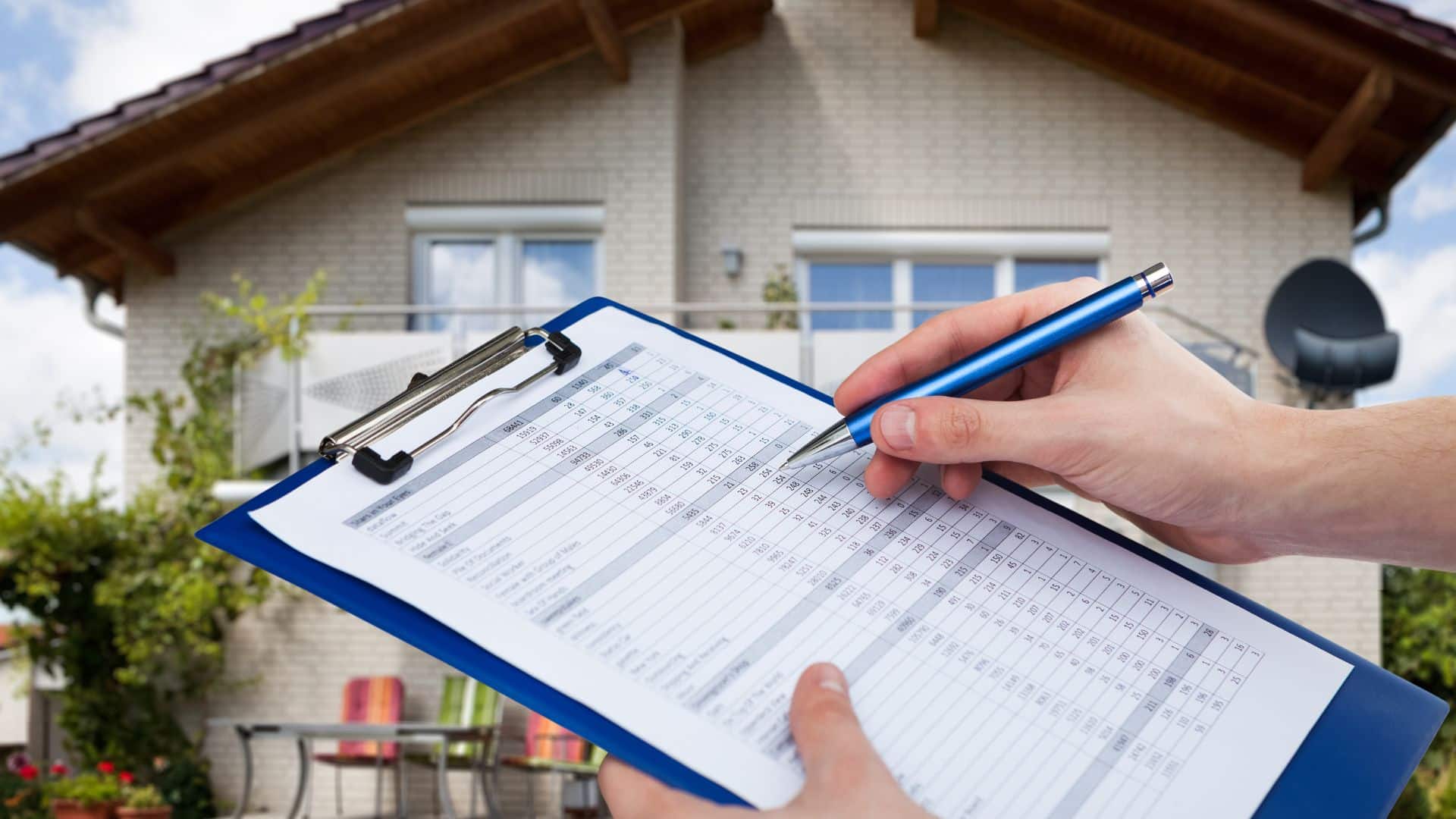
A home inspection is a trained professional’s visual look at the condition of a house, and it usually happens after you have an accepted offer. The inspector checks the major systems and structure, then gives you a written report that lists what’s working, what isn’t, and what needs attention. Knowing what’s covered, what isn’t, and how to make sense of the report helps you use it to make a smart decision instead of a stressful one.
What a Home Inspection Actually Is
Think of an inspection as a snapshot of the home on the day the inspector visits. According to the American Society of Home Inspectors, a home inspection is a visual, noninvasive look at the house, and it’s an overview of the home’s condition, not a pass or fail test. The report describes what the inspector could see on that date. It doesn’t predict what will happen down the road.
That distinction matters. An inspection won’t tell you a house is perfect or that it’s a bad deal. It tells you what you’re about to take on so you can decide how to move forward.
What Inspectors Typically Check
Every inspection varies a bit, but most cover the same major areas of the home.
Roof. Condition of the shingles or roofing material, flashing, gutters, and signs of leaks or wear.
Exterior. Siding, trim, windows, doors, decks, porches, and how the ground slopes around the house.
Foundation and structure. Visible cracks, settling, moisture, and the condition of framing, beams, and joists.
Attic. Insulation, ventilation, and signs of water damage or pests.
Plumbing. Visible pipes, fixtures, drains, water pressure, and the water heater.
Electrical. The main panel, outlets, switches, wiring that can be seen, and safety features like GFCI protection.
Heating and cooling. The furnace, air conditioner, and ductwork, as the weather and access allow.
Interior. Walls, ceilings, floors, stairs, windows, and doors.
Basement or crawl space. Moisture, foundation condition, and signs of water intrusion.
Appliances and other features. Built in appliances and other items that come with the home, depending on the inspector.
Inspectors also look for evidence of mold, water damage, and wood destroying pests. Some tests, like radon, are often offered as optional add ons.
What Inspectors Can’t Do
Understanding the limits will save you from false expectations.
An inspector can only comment on what they can see. They can’t see inside walls, and they won’t move furniture or take things apart. They also can’t tell you what the home is worth, give you a repair cost estimate, recommend a specific contractor, or advise you on whether to buy.
If something looks concerning, the inspector may recommend a specialist, like a roofer, electrician, or structural engineer, to take a closer look.
Specialty Inspections Worth Considering
Depending on the home and where you live, you might want extra testing beyond the standard inspection. Common examples include:
Radon testing, wood destroying pest inspections, sewer line scopes, well and septic inspections, mold testing, and chimney inspections. If a home has a well or septic system, or if it’s an older property, it’s worth asking your inspector or agent which extras make sense.
How to Prepare
A little preparation helps you get far more out of the inspection.
Be there if you can. Following the inspector through the house lets you hear what they find, ask questions, and see issues in person instead of just reading about them.
Ask for a sample report. Many inspectors will send a blank report beforehand so you know what to expect.
Write down your questions. Review the seller’s disclosure and listing details and note anything you want to ask about.
Bring a notepad and a phone. Photos help you remember what you saw.
Set aside the time. Inspections can take a few hours, so clear your schedule and stay focused.
How to Read Your Inspection Report
Reports can run dozens of pages, and the sheer length can feel overwhelming. Here’s how to break it down.
Start with the summary. Most reports include a summary page that highlights the most important findings. Read it first so you know what the inspector considers a priority.
Look at how items are categorized. Many reports sort findings into groups, like safety concerns, items needing repair or further evaluation, and items to monitor or maintain. The labels vary by inspector, so read the key at the start of your report.
Check the photos. Pictures show you exactly what the inspector saw and where.
Read the notes, not just the labels. The explanation of why something is a concern, and what the inspector recommends, is where the useful detail lives.
Sort Findings Into Priorities
Not every item on the report deserves the same level of worry. It helps to sort what you find into a few buckets.
Safety issues. These come first. Examples include electrical hazards, gas leaks, signs of carbon monoxide risk, or serious structural concerns.
Major systems and big ticket items. Think roof problems, foundation issues, water intrusion, and failing heating or cooling equipment. These can be expensive, so get them evaluated.
Maintenance and minor repairs. Small items like caulking, loose handrails, or a dripping faucet are normal in almost every home.
Cosmetic items. Scuffed paint or worn flooring typically isn’t a reason to renegotiate.
It also helps to compare how serious two similar problems can be. An older roof with years of life left is very different from a roof that’s actively leaking. A furnace that needs a cleaning is very different from one with a cracked heat exchanger. Context matters.
No House Is Perfect
Even new homes can come with a list of items to fix, and a resale home will almost always have some wear and some minor issues. The goal isn’t to find a home with zero problems. It’s to find one without serious safety concerns or surprise expenses you aren’t prepared for.
What to Do After the Inspection
Once you’ve read the report, you have a few options.
Ask for repairs. You can ask the seller to fix specific issues before closing.
Negotiate a credit or price reduction. Sometimes a seller prefers to adjust the price or offer a credit instead of handling repairs.
Accept the home as is. If the issues are minor or you’re comfortable with them, you can move forward.
Walk away. Many purchase contracts include an inspection contingency that lets you back out within a set time if the findings are unacceptable.
Keep in mind that a seller isn’t required to make repairs, and what’s reasonable depends on the market, the price, and how serious the problems are. Focus on safety and major issues, and be willing to handle small ones yourself. Before you decide, get quotes from specialists on bigger items so you know what you’d really be paying.
Check your contract carefully for deadlines, since the window to respond after an inspection is often short. Your real estate agent can help you understand your options and timing.
Don’t Skip It
In a competitive market, some buyers are tempted to waive the inspection to make their offer more attractive. That’s a risky move, especially if you don’t have much experience with homes. An inspection is one of your best chances to learn about the property before you commit, so think carefully before giving it up.
Use the Report After You Move In
Even after you close, your inspection report is useful. It’s a roadmap of what to watch and what to budget for, from aging equipment to routine maintenance. Save it, and refer back to it as you plan upkeep and future projects.
Frequently Asked Questions
What does a home inspector check? Inspectors typically look at the roof, exterior, foundation and structure, attic, plumbing, electrical, heating and cooling, interior, and basement or crawl space. They also watch for signs of mold, water damage, and wood destroying pests.
Does a home inspection pass or fail a house? No, a home inspection isn’t pass or fail. It’s an overview of the home’s condition on the day of the inspection, and it helps you decide how to move forward.
What can’t a home inspector tell me? Inspectors can only comment on what they can see, so they can’t tell you what’s inside walls. They also can’t tell you the home’s market value, give repair costs, recommend contractors, or tell you whether to buy.
Should I attend the home inspection? Yes, if you can. Being there lets you hear what the inspector finds, ask questions, and see issues for yourself, which makes the written report easier to understand.
What can I do if the inspection finds problems? You can ask the seller for repairs, negotiate a credit or price reduction, accept the home as is, or walk away if your contract allows it. Sellers aren’t required to make repairs, so focus on safety issues and major systems first.