
Owning a home comes with a long list of responsibilities, and one of the biggest is maintaining the systems that keep your home comfortable, safe, and functional. While regular maintenance can extend the life of many components, every major home system eventually reaches the end of its lifespan. Knowing when to replace these systems can help you avoid costly emergencies and better plan for future expenses.
HVAC System: 10–20 Years
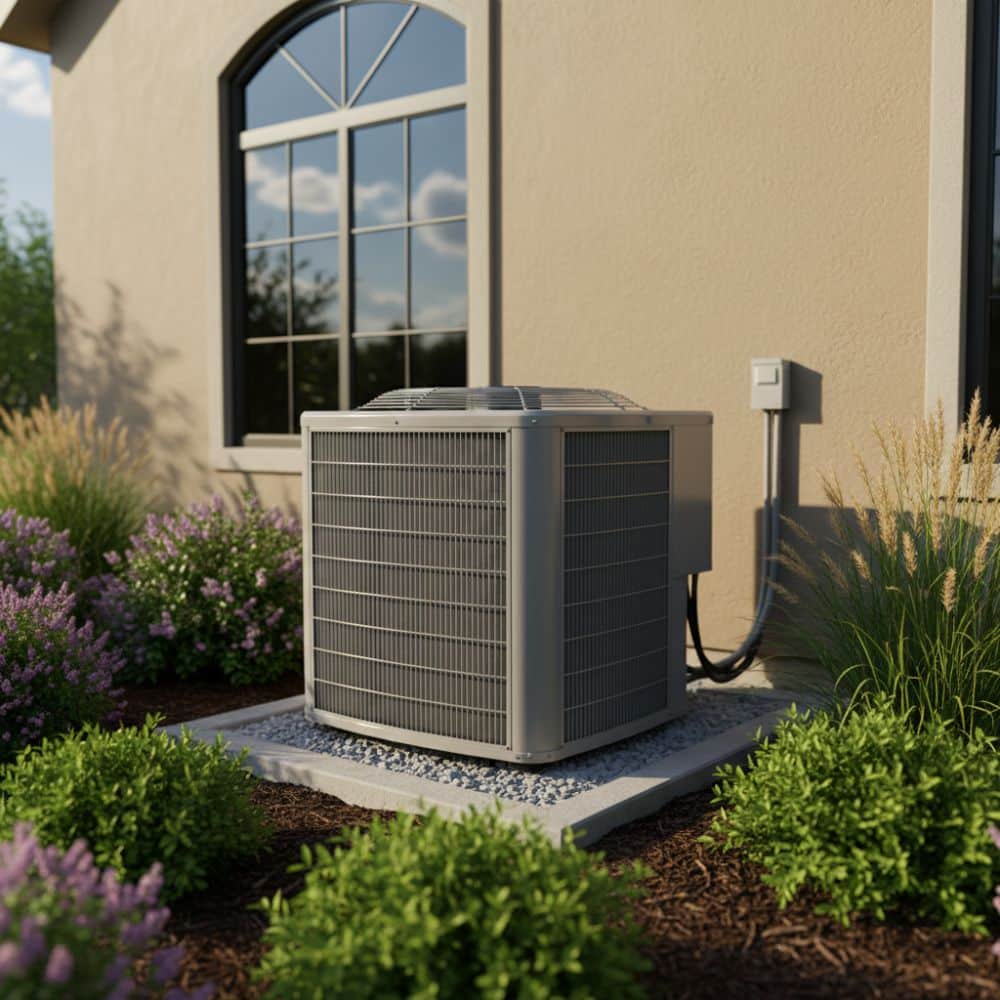
Your heating and cooling system is one of the most important systems in your home. Most furnaces last between 15 and 20 years, while air conditioners typically last 10 to 15 years. Regular maintenance, including annual inspections and routine filter changes, can help maximize lifespan. If your HVAC system requires frequent repairs, struggles to maintain comfortable temperatures, or causes your energy bills to rise significantly, it may be time to consider a replacement.
Water Heater: 8–12 Years
Traditional tank water heaters generally last between 8 and 12 years, while tankless models can often last 15 to 20 years with proper maintenance. Signs that your water heater may be nearing the end of its life include inconsistent hot water, strange noises, rust-colored water, or leaks around the unit. Replacing an aging water heater before it fails can help prevent water damage and unexpected disruptions.
Roof: 20–50 Years
The lifespan of your roof depends heavily on the materials used. Asphalt shingle roofs typically last 20 to 30 years, while metal roofs can last 40 to 70 years. Regular roof inspections can help identify issues before they become major problems. Missing shingles, recurring leaks, and visible sagging are all signs that a roof replacement may be necessary.
Plumbing Pipes: 20–100 Years
Different pipe materials have different life expectancies. Copper pipes often last 50 years or more, while galvanized steel pipes may need replacement after 20 to 50 years. PEX piping can last 40 years or longer. If you’re experiencing frequent leaks, low water pressure, or discolored water, it may be worth having your plumbing system inspected.
Electrical System: 30–50+ Years
While many electrical systems can last for decades, older homes may have outdated wiring that no longer meets modern safety standards. Flickering lights, frequently tripped breakers, or outlets that feel warm to the touch can indicate potential electrical issues. Upgrading your electrical system not only improves safety but also ensures your home can handle today’s technology demands.
Don’t Wait for a Breakdown
One of the biggest mistakes homeowners make is waiting until a major system completely fails before replacing it. Emergency replacements often come with higher costs and greater inconvenience. By understanding the typical lifespan of your home’s major systems and scheduling regular inspections, you can plan ahead, budget appropriately, and avoid unexpected surprises.
Keeping track of the age and condition of your home’s major systems is one of the smartest investments you can make as a homeowner. A little planning today can save thousands of dollars and countless headaches tomorrow.
Finding The Right HVAC System Provider
Choosing the right HVAC installation company is one of the most important decisions you can make for your home’s comfort, energy efficiency, and long-term operating costs. A reputable contractor will help you select the properly sized system, explain your options clearly, and ensure the installation is completed according to manufacturer specifications and local building codes. When evaluating HVAC companies, look for experienced technicians, strong customer reviews, transparent pricing, and a proven track record of quality workmanship.
For homeowners in Michigan, Aspen Heating & Cooling provides professional HVAC installation services backed by expert guidance, reliable equipment, and a commitment to keeping homes comfortable year-round. Working with a trusted installation company can help maximize system performance, reduce energy bills, and prevent costly repairs down the road.